
Branding Strategies for SMEs: Leveraging Grants for a Fresh Market Presence

Branding Strategies for SMEs: Leveraging Grants for a Fresh Market Presence
Rebranding is often misunderstood as merely a cosmetic change, a new logo or a fresh colour palette. However, in the competitive landscape of Singapore, particularly for small and medium-sized enterprises (SMEs), rebranding is a profound strategic shift that transcends surface-level adjustments. It is an opportunity to redefine a company's essence, align its offerings with market demands, and cultivate deeper connections with customers.
Many SMEs grapple with the misconception that branding is solely the responsibility of marketing teams. In reality, effective branding requires a holistic approach that involves every facet of the organisation, from product development to customer service. This article delves into the critical importance of branding for SMEs, outlines actionable steps to implement a successful branding strategy with the aid of grants, and showcases inspiring case studies of businesses that have transformed their market presence through thoughtful rebranding efforts. By challenging common misconceptions, we aim to illuminate the true power of branding as a catalyst for growth and innovation.
When is SMEs Rebranding Necessary?

- Market Shifts: Entering new markets or responding to competitive pressures.
- Business Evolution: Changes in product offerings or target demographics.
- Customer Feedback: Addressing negative perceptions or evolving customer expectations.
Steps to Undertake a Successful Branding Project with Grant Support
Embarking on a branding project is a crucial step for SMEs looking to enhance their market presence. Leveraging available grants can significantly ease the financial burden of this transformation. Below are detailed steps to guide you through the branding process, complete with examples and actionable steps.
1. Assess Your Current Brand
Conduct a thorough evaluation of your existing brand identity, messaging, and market position. This involves:
- Brand Audit: Analyse your current branding elements, including your logo, colour scheme, website, and marketing materials. Identify what resonates with your audience and what doesn’t.
- SWOT Analysis: Perform a SWOT analysis (Strengths, Weaknesses, Opportunities, Threats) to gain insights into your brand’s current standing. For example, if your strength is a loyal customer base but your weakness is outdated branding, this indicates a need for a refresh.
- Gather Feedback: Collect feedback from customers, employees, and stakeholders through surveys or focus groups. This can help identify areas for improvement and validate your findings.
Action Steps:
- Schedule focus groups with key stakeholders to discuss branding perceptions.
2. Define Clear Objectives
Setting specific goals for your branding initiative is essential. Objectives could include:
- Increasing Brand Awareness: Aim to reach a specific percentage increase in brand recognition within a defined timeframe.
- Improving Customer Engagement: Set targets for social media interaction rates or website traffic.
- Entering New Markets: Identify new demographics or geographic areas you want to target.
Action Steps:
- Use SMART criteria (Specific, Measurable, Achievable, Relevant, Time-bound) to define your objectives.
- Document these goals in a project management tool.
3. Develop a Comprehensive Branding Strategy
A successful branding strategy should encompass several key elements:
- Brand Identity: Create a cohesive visual identity that reflects your brand’s values and mission. This includes designing a new logo and selecting a colour palette that resonates with your target audience. For instance, a tech startup might opt for sleek, modern designs to appeal to a younger demographic.
- Brand Messaging: Develop a consistent tone of voice and key messages that resonate with your audience. For example, if your target market values sustainability, incorporate eco-friendly messaging into your branding.
- Brand Positioning: Clearly define how your brand differentiates itself from competitors. This could involve identifying unique selling propositions (USPs) that set your brand apart.
Action Steps:
- Conduct competitor analysis to understand their branding strategies and identify gaps you can fill.
- Create a mood board to visualise your brand identity and messaging.
4. Leverage Government Grants
SMEs in Singapore can access various grants to support their branding efforts, such as the Enterprise Development Grant (EDG). This grant can cover up to 50% of eligible costs related to branding projects, including:
- Brand Audits and Surveys: Funding for professional services to assess your current branding.
- Brand Strategy Development: Costs associated with hiring branding consultants to help formulate your strategy.
- Creation of Brand Identity Systems: Financial support for design work, including logos and marketing materials.
Eligibility Criteria:
- The business must be registered and operating in Singapore.
- At least 30% local ownership.
- Financial viability to complete the project.
Action Steps:
- Visit the EDG website for detailed information on application processes.
- Prepare necessary documentation, including business registration and financial statements, to support your grant application.
- Reach out to Admiral Systems for recommendations and project implementation.
5. Execute the Branding Strategy
Implement your branding initiatives across all marketing channels, ensuring consistency in messaging and visual identity. This includes:
- Website Redesign: Update your website to reflect your new branding, ensuring it is user-friendly and optimised for SEO.
- App Development: Create or update your app to align with your new brand identity and enhance user experience.
- Design System Setup: Develop a cohesive design system to maintain consistency across all digital platforms.
- CMS Migration: Transition your content management system to a more flexible and efficient platform, like Webflow.
- Data Strategy and Integration: Establish a robust data strategy that integrates various data sources for better insights and decision-making.
- Product Analytics Setup: Implement analytics tools to track user interactions and optimise your branding strategy based on performance data.
Action Steps:
- Website Redesign: Assess current performance, define redesign goals, choose CMS (like Webflow), design and develop, optimise for SEO, test, and launch.
- App Development: Define app requirements, select a development team, design the interface, develop and test, then launch and promote.
- Design System Setup: Identify brand elements, create design guidelines, implement consistently across platforms, and review regularly.
- CMS Migration: Evaluate current CMS, select a new one (like Webflow), plan and execute migration, test for functionality, and optimise.
- Data Strategy and Integration: Define data goals, select tools and platforms, integrate data sources, and monitor for insights.
- Product Analytics Setup: Identify key metrics, choose analytics tools, implement tracking, and analyse data for insights.
6. Monitor and Adapt
Regularly assess the effectiveness of your branding efforts through metrics such as customer engagement, brand recognition, and sales performance.
- Track KPIs like website traffic and sales growth. For example, a rise in website visits after a redesign signals success.
- Customer Feedback: Collect and analyse feedback post-launch to gauge audience perception of the new brand.
- Adjust Strategies: Refine your branding strategy based on performance data and feedback. If specific elements resonate more, prioritise them in future efforts.
- How Admiral Systems Helps: Admiral Systems supports clients by setting up robust tracking systems, analysing performance data, gathering actionable feedback, and recommending adjustments to optimise branding impact and ensure continuous growth.
Action Steps:
- Set up tools like Google search console , fullstory and amplitude analytics to monitor performance.
- Conduct quarterly reviews of your branding strategy to assess its effectiveness.
SMEs can successfully undertake a branding project while leveraging available grants to support their efforts. Engaging in a thorough assessment, defining clear objectives, developing a robust strategy, and continuously monitoring performance will lead to a successful brand transformation.
Case Studies of Successful SME Corporate Branding Strategy
Trally: Elevating the Online Marketplace Experience
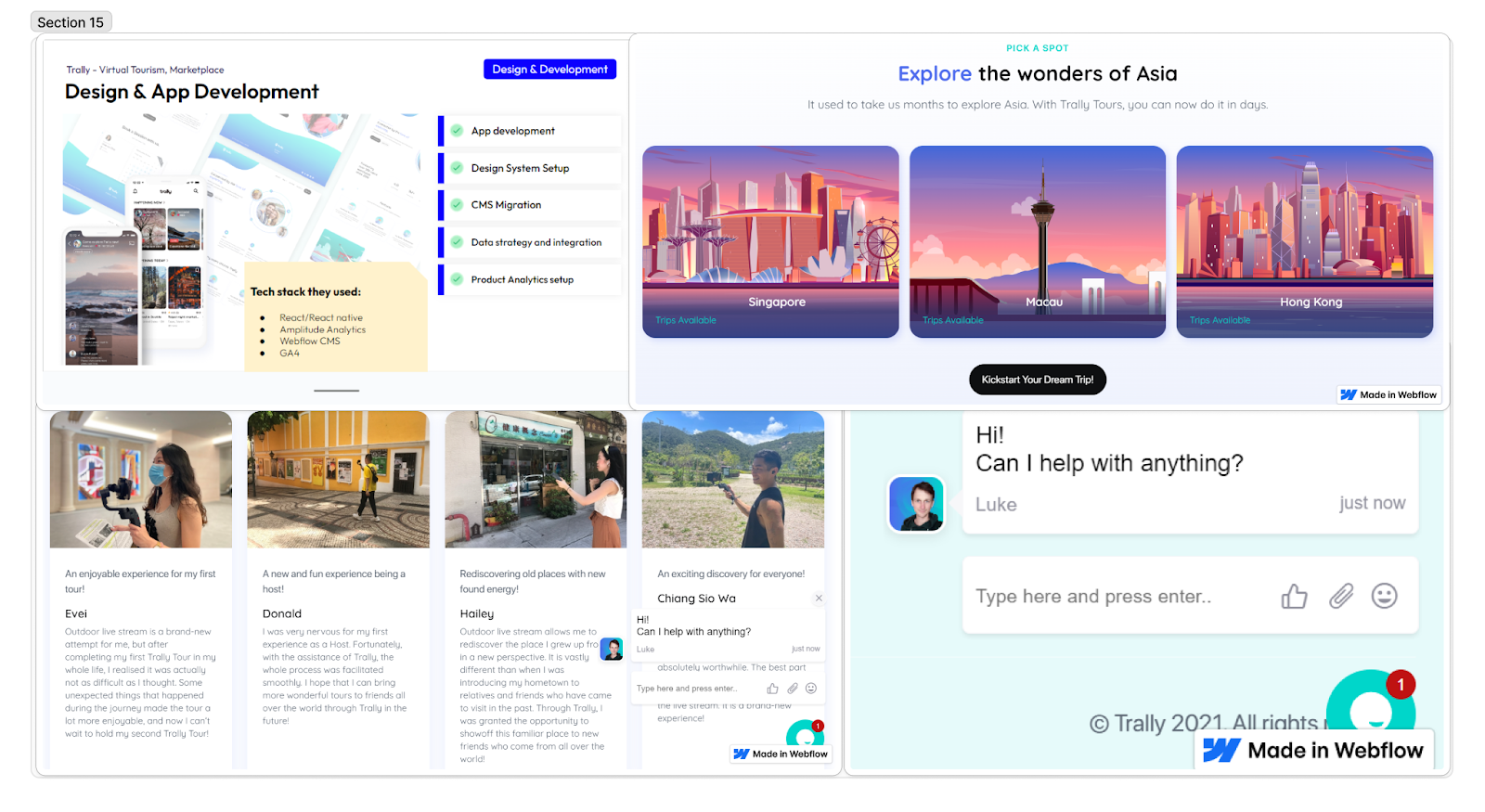
Trally.com, an emerging online marketplace, recognized the need to rebrand to better connect with their target audience and enhance their market presence. Partnering with Admiral Systems, they sought to leverage government grants to facilitate this transformation.
Key Branding Initiatives:
- Conducted in-depth market research to identify customer preferences and competitive landscape.
- Developed a new brand identity that reflected Trally.com's commitment to quality and user experience.
- Redesigned their website using Webflow CMS to enhance usability and visual appeal, ensuring a seamless shopping experience.
- Implemented a comprehensive marketing strategy that included social media engagement, influencer partnerships, and targeted digital advertising.
- Set up Amplitude Analytics to track user behaviour and measure key performance metrics.
- Integrated Google Analytics 4 to gain deeper insights into customer journeys and optimise marketing efforts.
Results:
- Achieved a notable increase in website traffic and a boost in conversion rates following the rebranding.
- Secured a 50% grant coverage for their branding project through the EDG.
- Established Trally.com as a recognized player in the online marketplace, with plans for future growth and expansion.
Wallex.asia: Elevating the Cross-Border Payment Experience
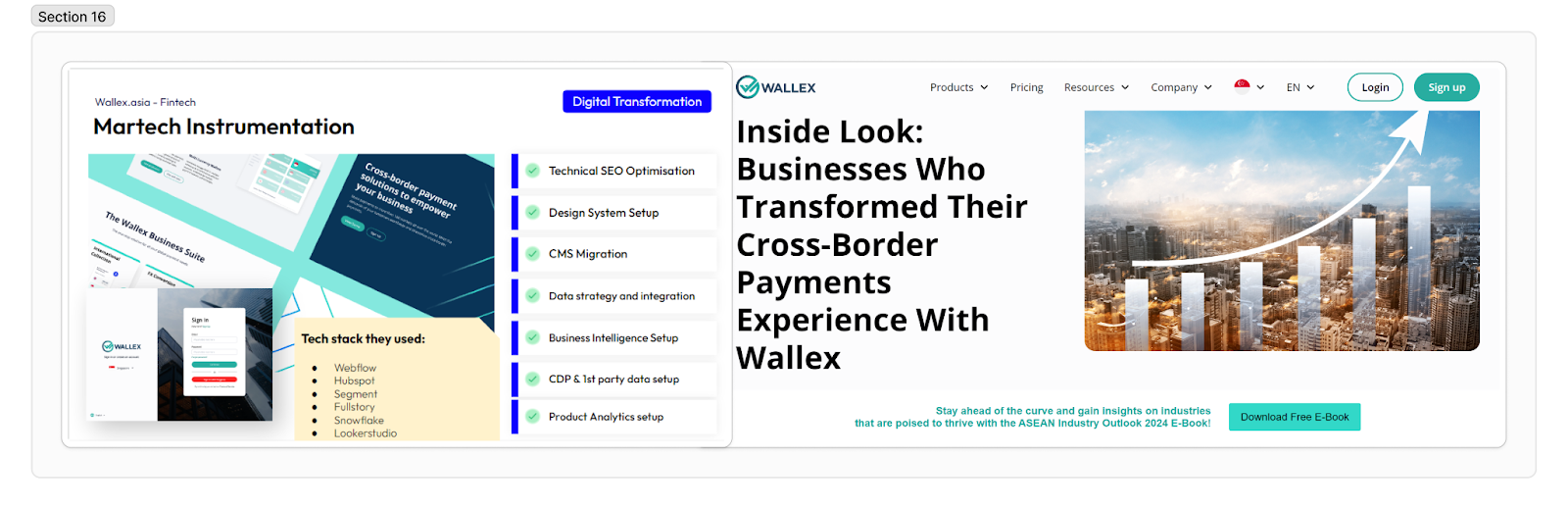
Wallex.asia recognized the need to enhance its branding and digital presence to better connect with its target audience and expand its market reach. Partnering with Admiral Systems, they aimed to leverage government grants to facilitate this transformation and improve their operational efficiencies.
Key Branding and Technical Initiatives:
- Technical SEO Optimization: Conducted a thorough SEO audit to improve search visibility and enhance user experience on their website.
- Design System Setup: Developed a cohesive design system that ensured consistency across all digital platforms, reinforcing brand identity.
- CMS Migration: Migrated their content management system to Webflow, allowing for easier updates and better performance.
- Data Strategy and Integration: Established a robust data strategy that integrated various data sources, enabling better decision-making.
- Business Intelligence Setup: Implemented Looker Studio to create insightful dashboards that facilitate data-driven strategies.
- CDP & 1st Party Data Setup: Utilised Segment to create a centralised customer data platform, enhancing customer insights and personalization.
- Product Analytics Setup: Integrated FullStory and Amplitude Analytics to track user interactions and optimise the customer journey.
Results:
- Achieved a significant increase in website traffic and improved user engagement metrics following the implementation of SEO and analytics solutions.
- Enhanced operational efficiency through streamlined data management and improved customer insights.
- Secured substantial grant coverage for their branding and technical projects through the EDG, enabling further investment in growth initiatives.
- Established Wallex.asia as a trusted name in the fintech industry, recognized for its innovative solutions and customer-centric approach.
These case studies demonstrate the power of strategic rebranding and the benefits of leveraging government grants. By partnering with Admiral Systems, Wallex.asia and Trally.com were able to transform its brand, enhance market presence, and achieve sustainable growth through a combination of branding, technical implementations, and data analytics solutions.
Rebranding for Growth: Seize the Opportunity and Maximise Your Market Potential
Rebranding is not just a strategic move; it’s a crucial opportunity for SMEs to elevate their market presence and respond effectively to evolving consumer preferences. By tapping into the branding grants available in Singapore, businesses can embark on transformative journeys without shouldering the entire financial burden.
If your SME is poised to embrace the power of rebranding, Admiral Systems is here to provide expert consulting services tailored to your needs. Don’t miss the chance to unlock your brand’s full potential. Schedule a free consultation call with us today and discover how we can help your business thrive.

Up to 50% Subsidisies on your next implementation strategy with us
For Companies registered and operating in Singapore, with up at least 30% local shareholding - leverage on the Enterprise Development (EDG) grants for your next; Strategy, Implementation or Enablement project with us at Admiral Systems!

Supporting Asia’s teams - from all shapes and size


Frequently Asked Questions
Here's us unfolding the stories you'd be asking in your heads or over water cooler conversations with your peers.
